A sturdy transition system for road safety barriers.
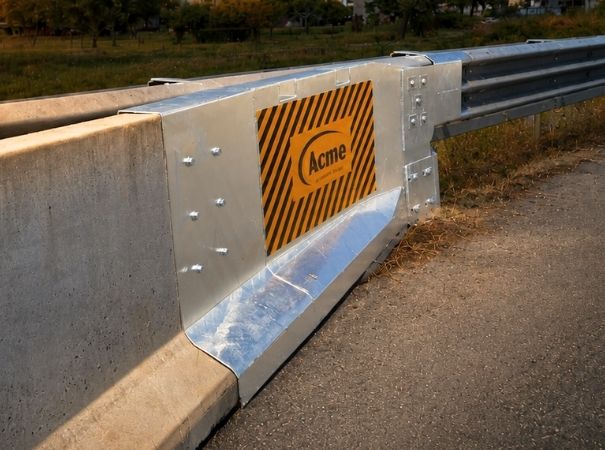
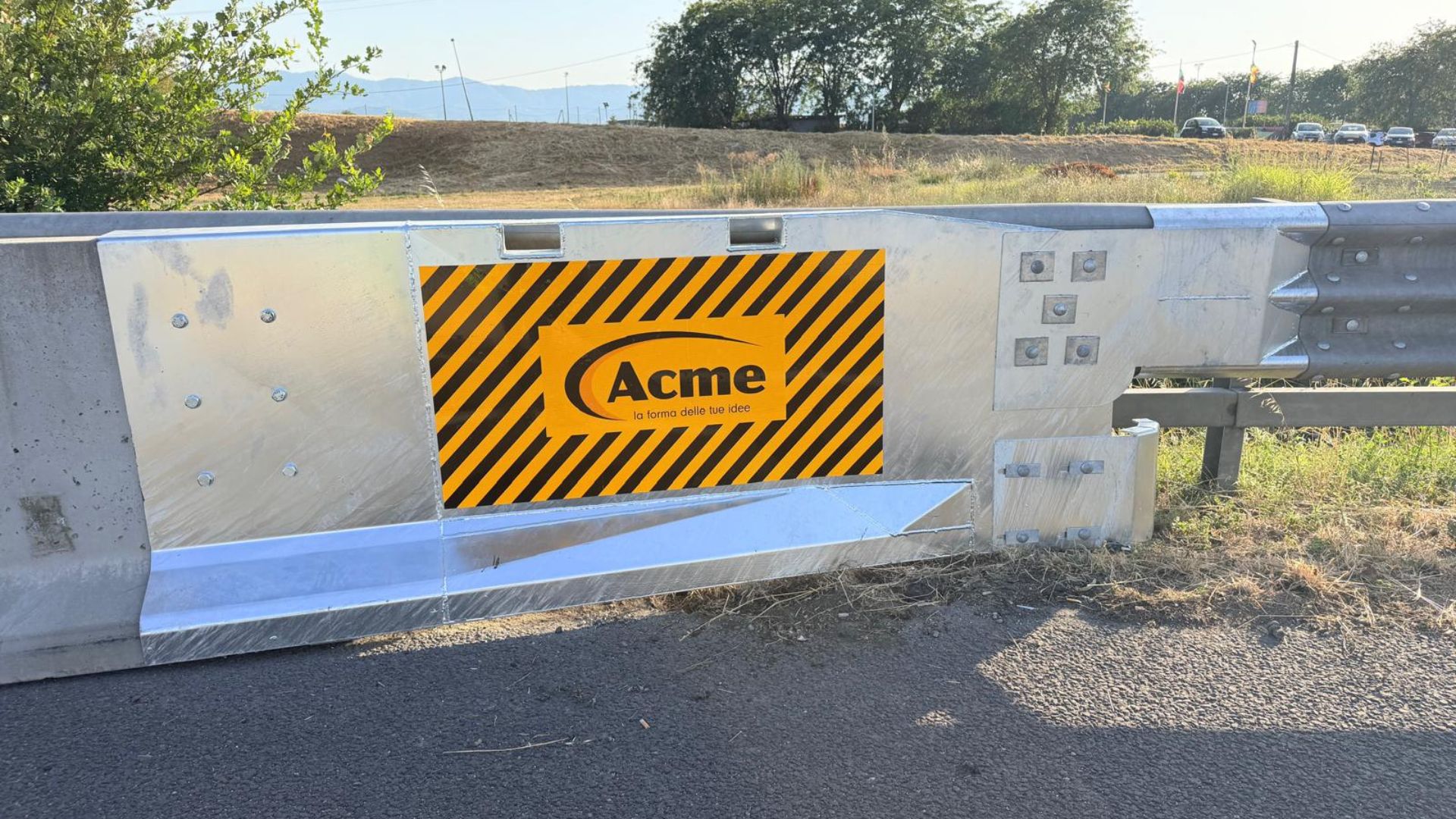
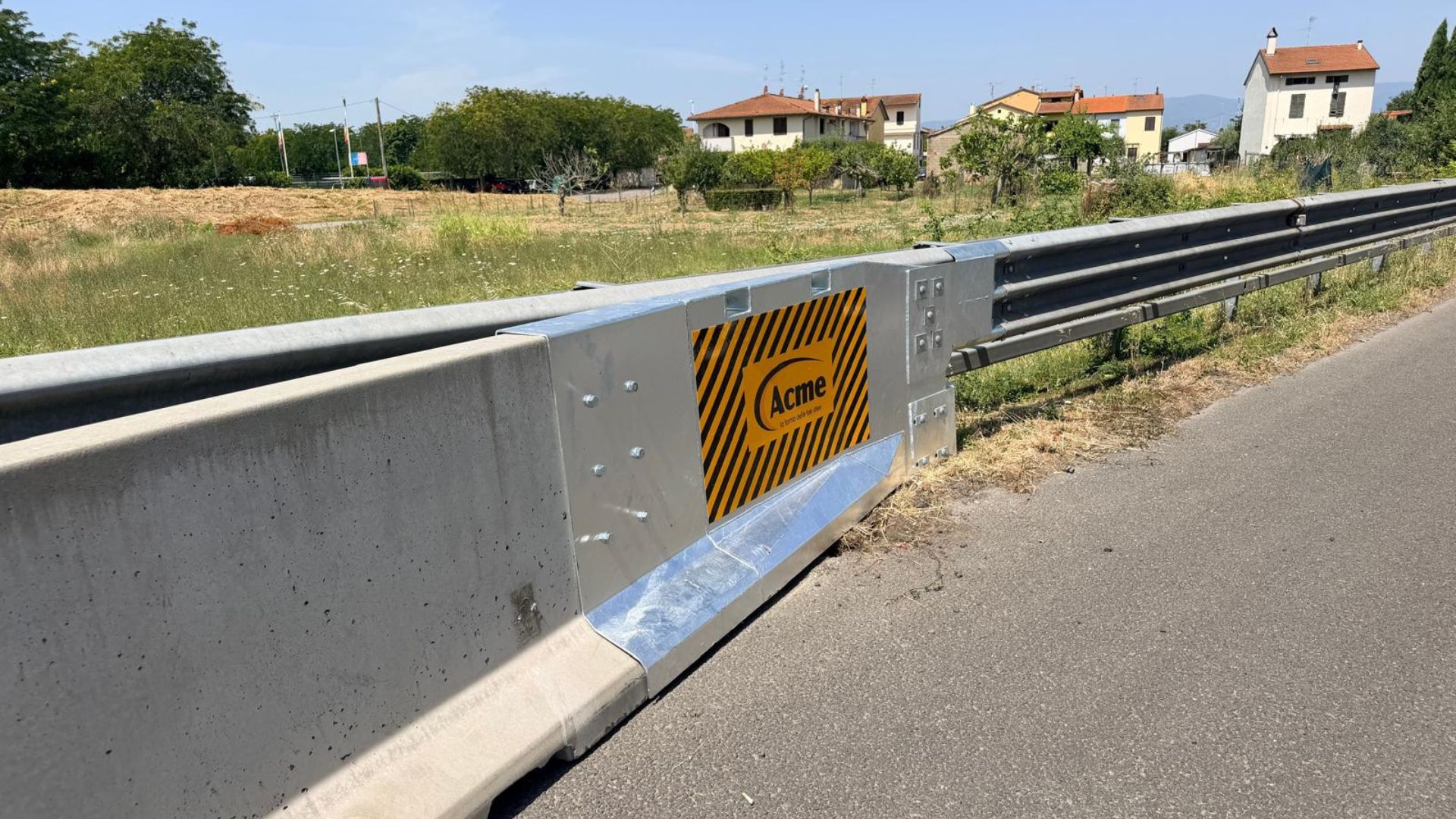
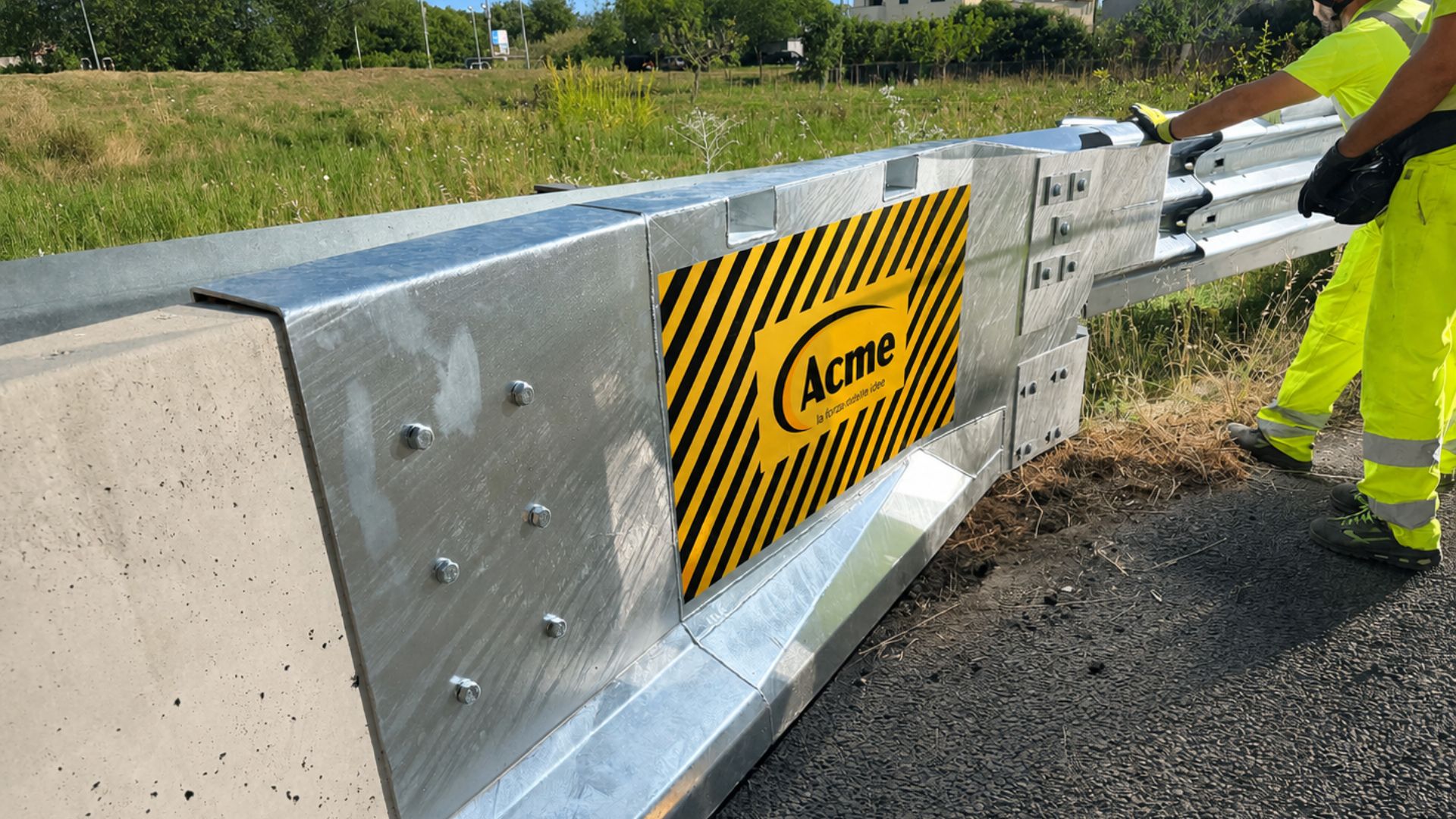
OPTIMUS is a patented universal transition device designed to enhance the safety of road barriers. It ensures structural continuity between concrete profiles (such as New Jersey barriers) and metal safety barriers or concrete walls.

Prevention at Critical Points
The device’s design reduces the risk of a direct impact with the New Jersey barrier and helps redirect the vehicle.

Connecting different systems
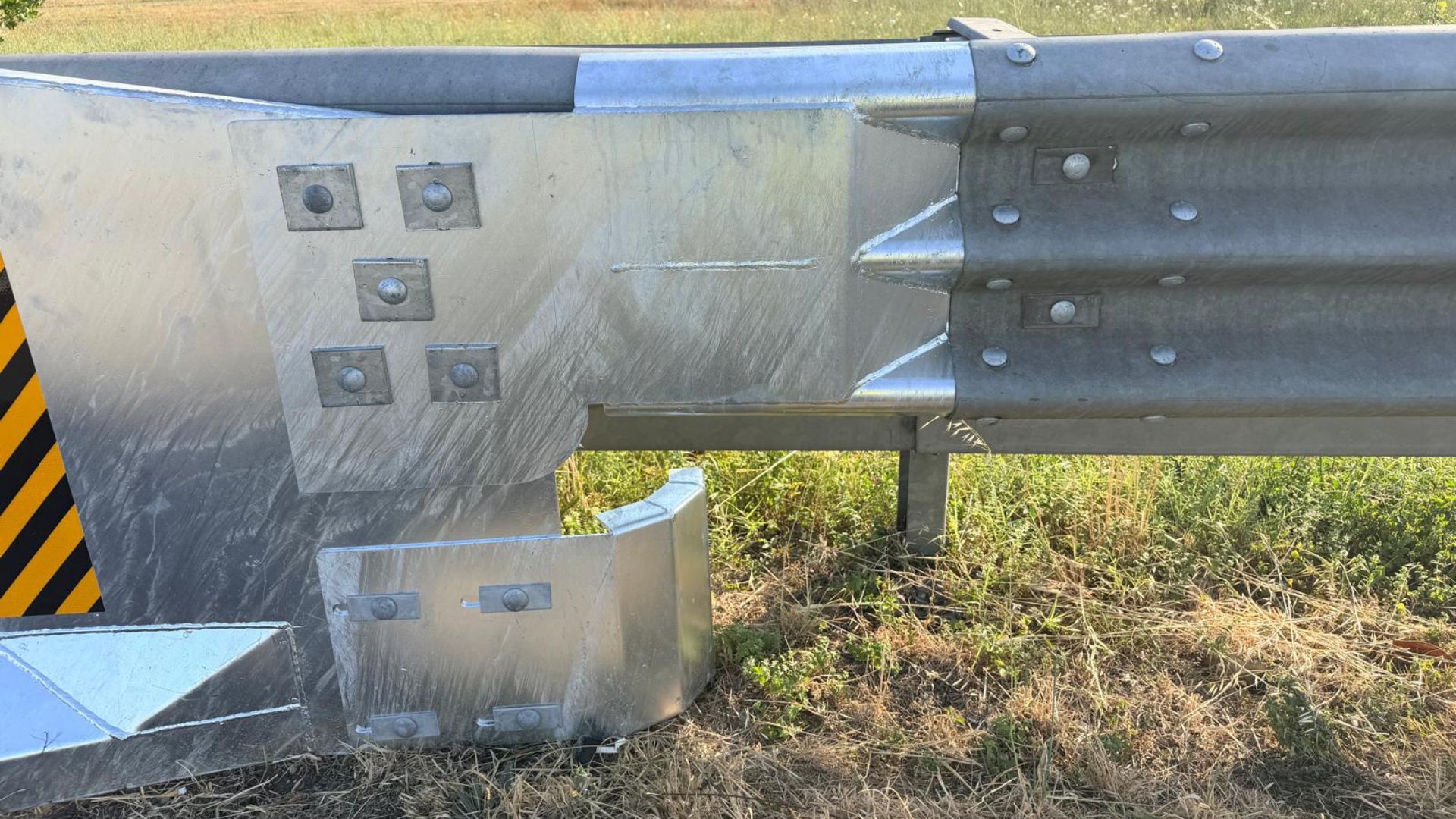
OPTIMUS anchors the ET100 barrier to metal and concrete barriers, or reinforced concrete walls.

Performance verified in accordance with the standard
The device has undergone the TB11 and TB51 tests required by the relevant European standards, achieving Level A impact severity.
Primary function
A specific solution for the heads and joints of barriers.
Work site barriers and joints between restraint systems are particularly critical configurations. OPTIMUS was designed to contain the severity of the impact, divert the vehicle’s kinetic energy, and prevent the vehicle from crumpling against the New Jersey barrier’s head.
Designed to protect critical access points at work sites, the device avoids the dangerous “wall effect” and prevents the vehicle from crumpling against the barrier’s head. Certified in accordance with the UNI CEN/TR 1317-10 standard, OPTIMUS ensures effective energy dissipation, delivering best-in-class performance in Level A (ASI = 1.0).
ACME: design and construction expertise applied to road safety.
ACME conceived, designed and built OPTIMUS, turning a critical issue identified in road infrastructure into a practical, verifiable solution engineered for industrial production.
The experience acquired in the construction and maintenance of infrastructure, combined with the technical and operational expertise developed on work sites, led every phase of the project: from issue analysis to design, right through to crash tests.

Crash testing
Performance verified in accordance with relevant European standards.
OPTIMUS’ performance has been evaluated through TB11 and TB51 tests, in accordance with the UNI EN 1317-1:2010, UNI EN 1317-2:2010, and UNI CEN/TR 1317-10:2024 standards.
The device achieved Level A impact severity, with an ASI below 1.0 and a THIV below 22 km/h.
TB11 test — passenger car
Crash test conducted using a passenger car to verify the joints’ stability and the system’s ability to contain and redirect the vehicle.
TB51 test — bus
A crash test conducted on a bus to assess the device’s response to a vehicle with greater mass and impact energy.
Two consecutive tests on the same device
Reusable and tested
The TB51 test was conducted on the same component that had already undergone the TB11 test, without replacing the device between the two impacts. OPTIMUS passed both tests, demonstrating a particularly significant feature for the purpose of performance evaluation.
FEM simulation
Numerical analysis of the system’s behaviour during impact.
Analized features through FEM simulation
- Evolution of the contact between the vehicle and the device
- Structural response of the transition
- Interaction with connected barriers
- Behavior at different impact points
- Vehicle trajectory during the redirection phase
FEM simulations made it possible to analyze the system’s response under different impact configurations, complementing the findings obtained from subsequent physical tests.
Key strengths
Configuration flexibility, quick installation, and reusability.
01 — INDUSTRY INNOVATION
Designed for critical areas
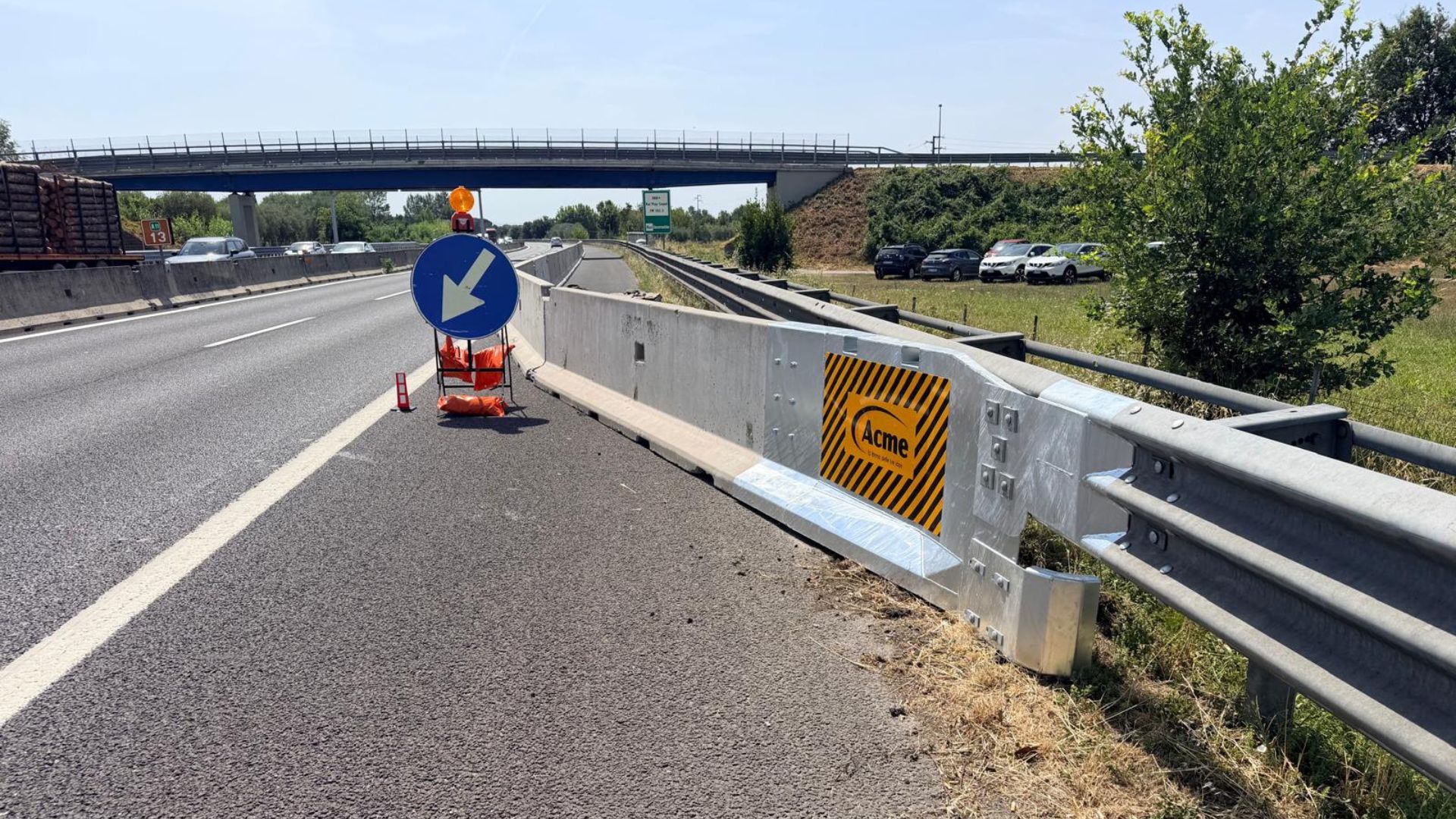
OPTIMUS is designed for barriers’ heads at the start of a work site and for joints between restraint systems, where the risk of impact against the barriers’ head requires a purpose-built solution.
02 — HIGH ADAPTABILITY
Compatible with different systems
The device anchors the ET100 barrier to metal and concrete barriers, or reinforced concrete walls.
03 — MAXIMUM COMPATIBILITY
Can be installed on either side
The configuration allows for installation on either the right or left side of the roadway, depending on the infrastructure layout.
04 — MULTIPLE APPLICATIONS
Configuration parallel to the barrier
The device is made entirely of S355JR steel and is galvanized in accordance with the EN ISO 1461 standard. Required maintenance consists of periodic visual inspections and checking that all fasteners are tightened.
05 — PROTECTION, EVEN TEMPORARY
Suitable for temporary configurations
The device can temporarily replace damaged or deteriorated barriers, depending on the intended configuration.
06 — USE AND MAINTENANCE
Reuse and scheduled maintenance
OPTIMUS is reusable. Routine maintenance involves periodically inspecting the device visually and checking that all fasteners are tight.
Why it matters
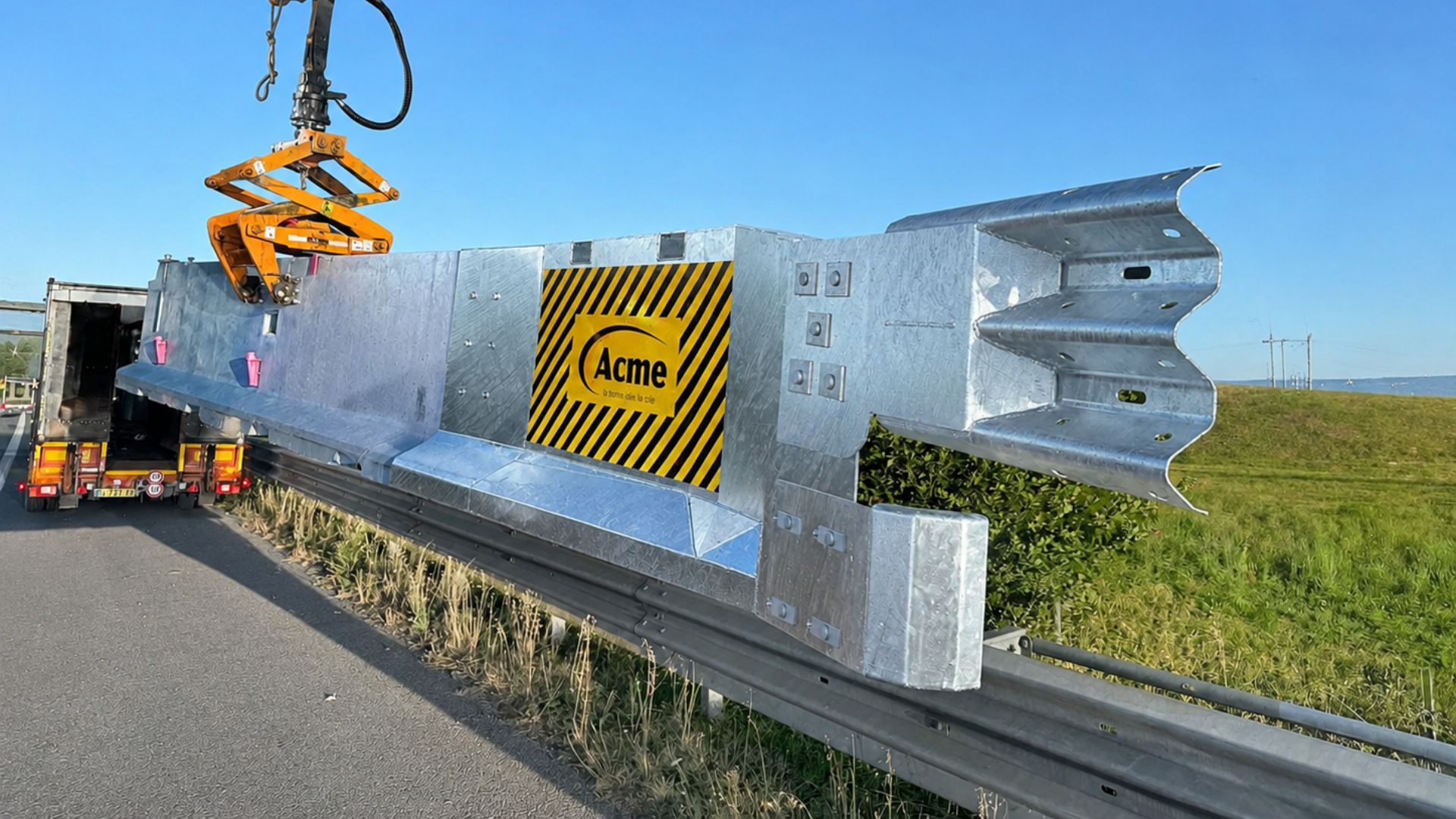
OPTIMUS adapts to different installation conditions.
OPTIMUS can be configured to suit the existing system, installation side and operational worksite requirements.
Each application is assessed against the infrastructure’s characteristics and specific installation conditions.
Connection to metal barriers
Connection to concrete barriers
Connection to reinforced concrete walls
Protection of barriers at work site access points
Installation on the right or left side of the carriageway
Parallel configuration with the existing barrier
Connection to a compensating barrier
Temporary replacement of damaged barriers
Technical documentation and supplementary materials
Technical data sheets, brochures, and test documentation are available upon request for designers, technicians, managing bodies, and contractors.
Request form
Request OPTIMUS technical documentation.
Please fill out the form, specifying the application context and the relevant materials. The ACME team will review your request and provide the available documentation or the information needed for an initial technical assessment.